
Education is one of the most trust-driven industries in the world.
Parents don’t choose a school lightly.
Students don’t enroll in a course without second thoughts.
Professionals don’t invest in learning platforms unless they believe it will genuinely help them.
That’s exactly why User-Generated Content (UGC) works so well in education.
When students talk, people listen.
When learners share their experience, it feels real.
And when education brands use those stories well, marketing stops feeling like marketing.
This guide breaks down what UGC for education really means, why it works, how schools and EdTech brands should use it, and how to do it ethically, safely, and effectively.
What Is UGC for Education?
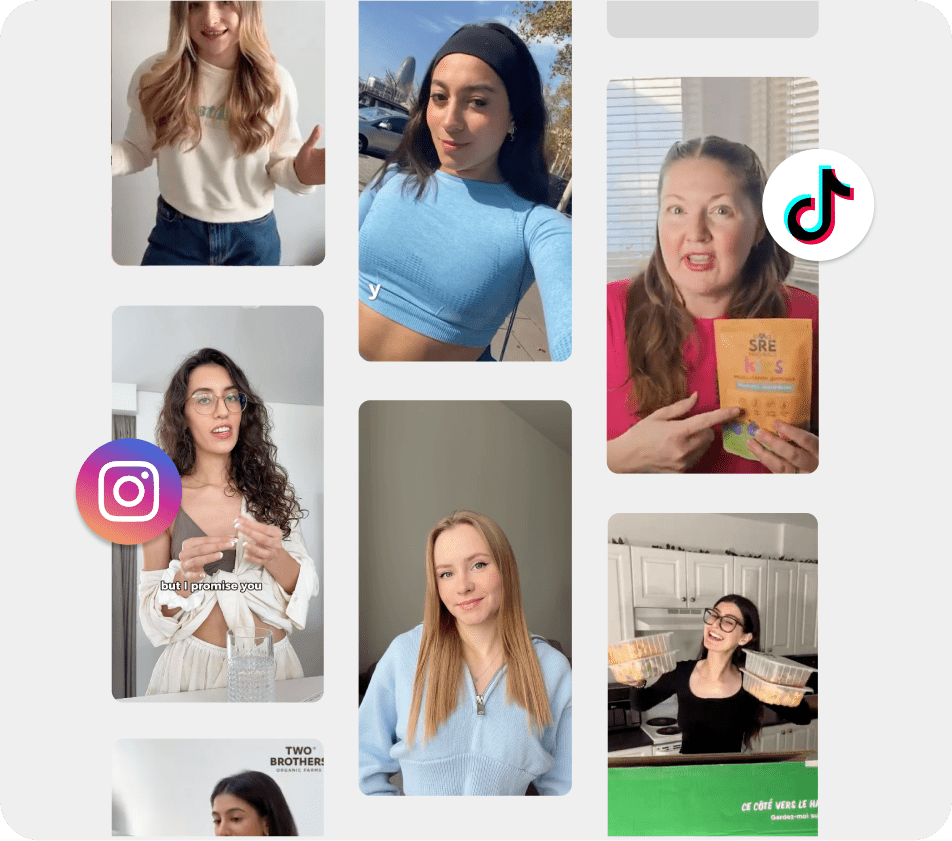
UGC for Education refers to any content created by students, learners, parents, alumni, or educators that reflects real experiences with a school, university, coaching institute, or EdTech platform.
This content can include:
- Student testimonials
- Course reviews
- Classroom photos or videos
- “Day in the life” student stories
- Learning progress posts
- Graduation or success stories
- Community discussions and comments
The key thing is this:
The content is created by real people, not the brand itself.
And that’s what gives it power.
Why UGC Works So Well in Education
Education decisions are emotional, high-stakes, and long-term. People don’t just want features — they want social proof.
UGC works because it answers the questions prospects are already asking:
- “Will this actually help me?”
- “Is this worth my time and money?”
- “People like me… did it work for them?”
Here’s why UGC consistently outperforms traditional education marketing:
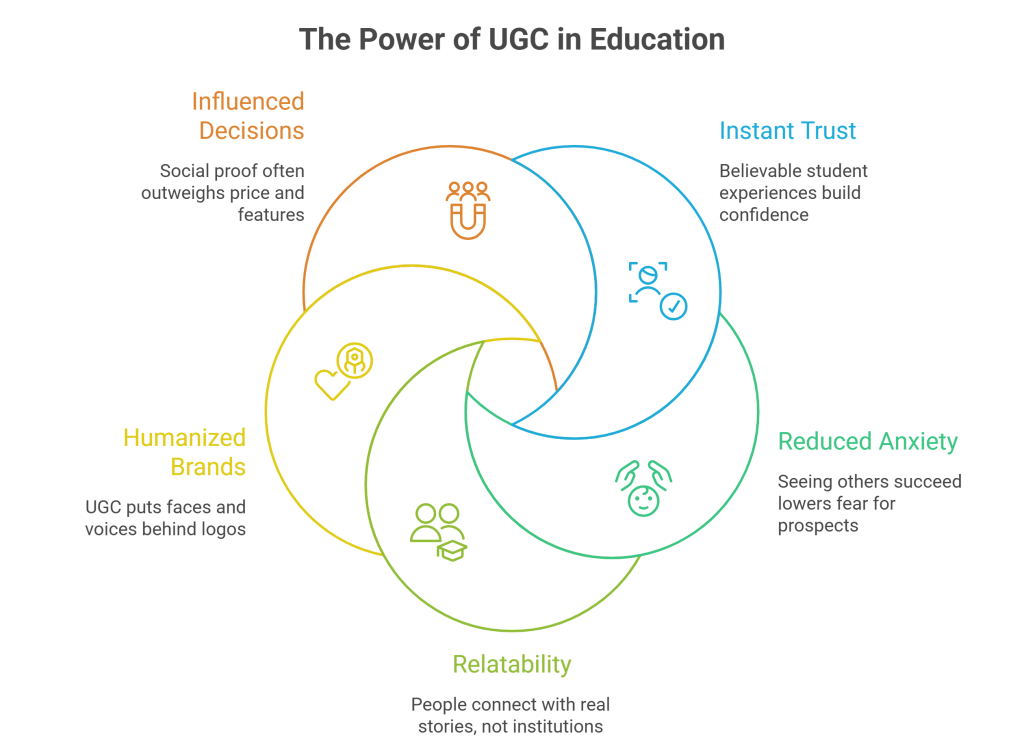
1. It Builds Instant Trust
A student sharing their honest experience is more believable than any brochure or ad copy.
2. It Reduces Decision Anxiety
Seeing others succeed lowers fear and hesitation — especially for parents and first-time learners.
3. It Feels Relatable
People connect with people, not institutions.
4. It Humanises Education Brands
UGC puts faces, voices, and stories behind logos.
5. It Influences Enrollment Decisions
In education, social proof often matters more than pricing or features.
Types of UGC for Education
UGC in education isn’t one-size-fits-all. Different formats serve different goals.
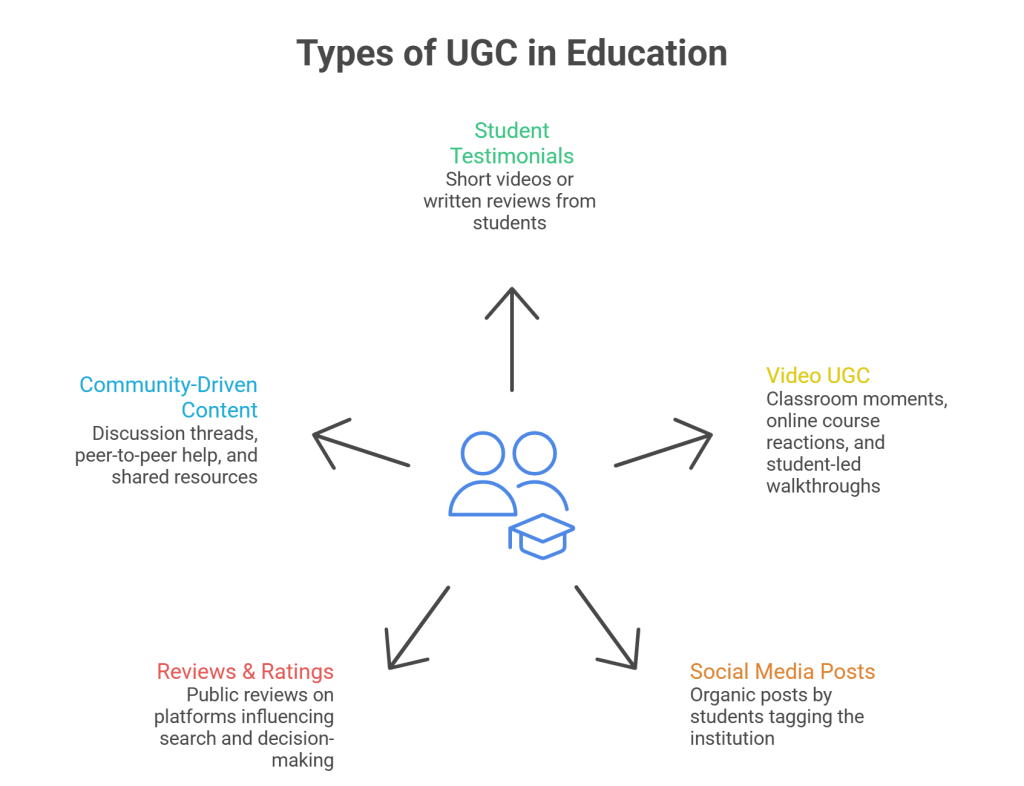
Student Testimonials
Short videos or written reviews where students explain:
- Why they joined
- What they learned
- What changed after enrolling
These are incredibly powerful for admissions pages.
Video UGC
Video UGC includes:
- Classroom moments
- Online course reactions
- Learning milestones
- Student-led walkthroughs
Video UGC performs especially well on social media and ads.
Social Media Posts
Organic social media posts by students tagging the institution or platform:
- Course completions
- Study sessions
- Achievements
- Campus life
These are perfect for brand credibility.
Reviews & Ratings
Public reviews on platforms, websites, or course pages that influence search and decision-making.
Community-Driven Content
Discussion threads, peer-to-peer help, learner-generated tips, and shared resources.
How Schools Can Use UGC Effectively
Traditional schools and colleges often sit on a goldmine of UGC — they just don’t use it well.
Admissions & Enrollment Pages
Featuring real student stories helps prospects imagine themselves there.
Campus Life Marketing
Photos, videos, and stories from students show what life actually looks like beyond academics.
Parent Communication
UGC reassures parents that students are safe, supported, and thriving.
Alumni Success Stories
Nothing sells education better than outcomes.
How EdTech Brands Can Use UGC to Scale
EdTech brands live in a competitive, digital-first world. UGC becomes a growth lever.
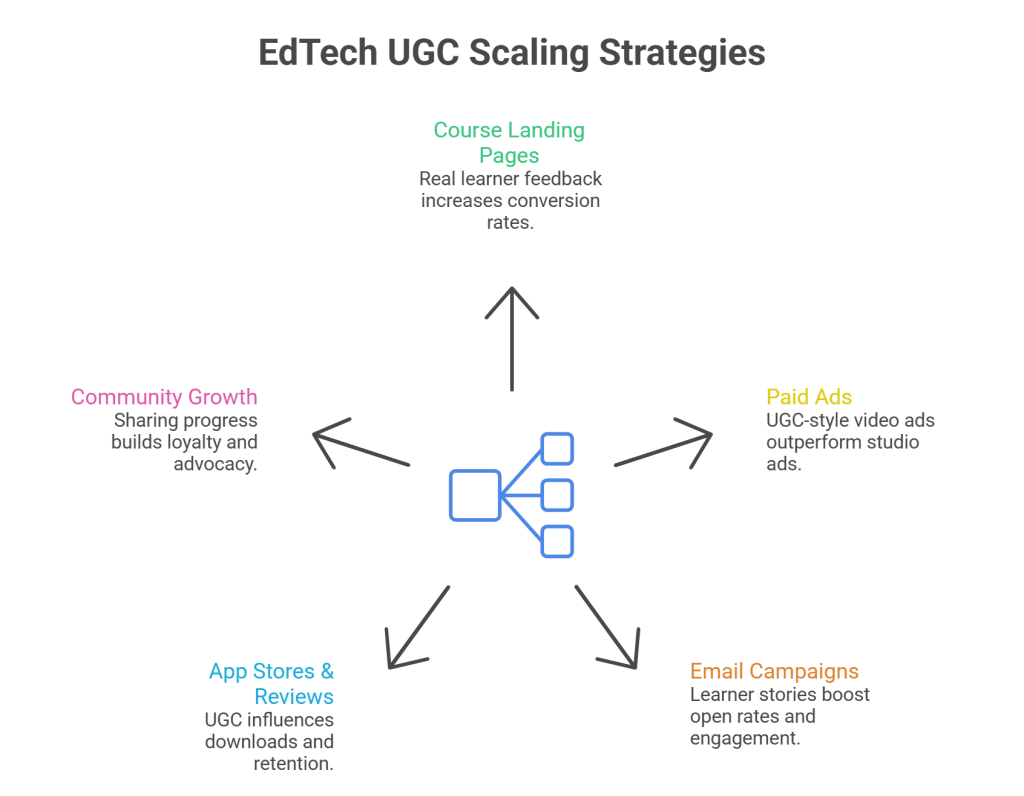
Course Landing Pages
Real learner feedback increases conversion rates dramatically.
Paid Ads
UGC-style video ads often outperform studio-style ads because they feel honest and relatable.
Email Campaigns
Sharing learner stories boosts open rates and engagement.
App Stores & Reviews
UGC influences downloads and retention.
Community Growth
Encouraging learners to share progress builds loyalty and advocacy.
UGC for Education Across Platforms
Website
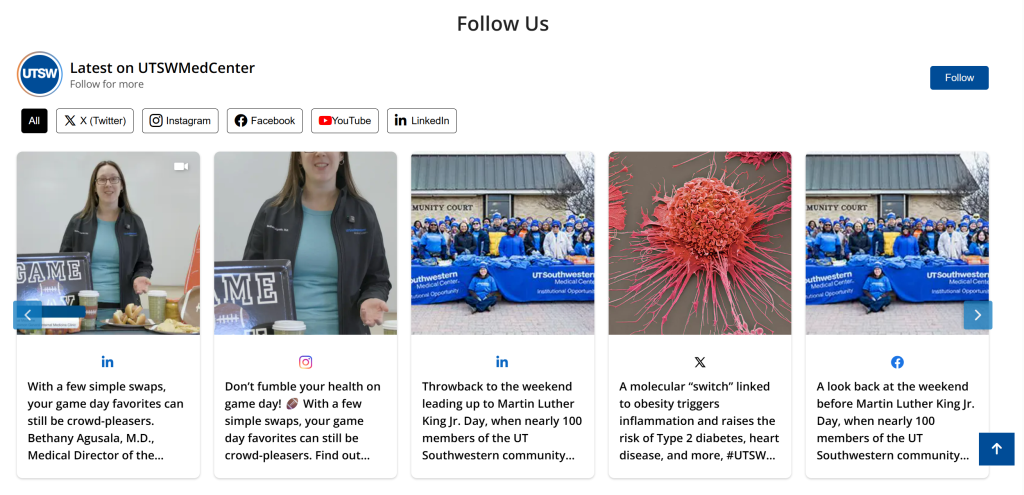
UGC on homepages, landing pages, and course pages boosts trust and time on site.
For Example:
Social Media
Instagram, YouTube, TikTok, and LinkedIn are perfect for student-led content.
Including student quotes or stories in emails makes communication feel human.
Ads
UGC-based ads feel less salesy and more conversational.
How to Collect UGC in Education (The Right Way)
UGC should never be forced or fake — especially in education.
Encourage, Don’t Pressure
Invite students to share their experience voluntarily.
Ask at the Right Time
Best moments:
- Course completion
- Exam success
- Graduation
- Personal milestones
Make It Easy
Simple prompts work better than long forms.
Always Get Consent
Written or digital consent is non-negotiable, especially with minors.
Ethics, Privacy & Safety in Education UGC
Education UGC comes with responsibility.
Respect Student Privacy
Never publish sensitive information.
Parental Consent for Minors
Mandatory for schools and younger students.
Avoid Misleading Claims
Don’t exaggerate outcomes or results.
Content Moderation
Ensure UGC aligns with community and safety standards.
Trust once broken is very hard to rebuild in education.
Measuring the Impact of UGC for Education
UGC isn’t just “nice content” — it drives real results.
Track:
- Enrollment conversion rates
- Engagement on UGC posts
- Time spent on pages with UGC
- Ad performance using UGC creatives
- Reviews and ratings growth
Over time, UGC becomes one of the highest ROI content channels.
Common Mistakes Education Brands Make With UGC
- Only using UGC occasionally
- Treating UGC as decoration instead of strategy
- Over-editing student content
- Ignoring consent and compliance
- Focusing only on “perfect” stories
Real stories matter more than polished ones.
The Future of UGC in Education
UGC is moving beyond marketing.
The future includes:
- Community-led learning
- Peer-to-peer education
- Hybrid UGC + AI workflows
- Personalised student stories
- Lifelong learner advocacy
Education brands that embrace UGC today will build stronger trust and long-term loyalty tomorrow.
Final Thoughts
UGC for education is not about selling courses or institutions.
It’s about amplifying real voices, building trust, and helping learners make confident decisions.
When done right, UGC doesn’t feel like marketing —
it feels like guidance from someone who’s already been there.
And in education, that’s priceless.