


Travelers don’t book hotels the way they used to. Before confirming a stay, they scroll through Instagram, check tagged photos, read reviews, and look for real guest experiences. They want proof beyond polished website images.
That’s exactly where UGC becomes powerful. For hotels, user-generated content is no longer optional — it’s one of the strongest tools to build trust and increase direct bookings without depending entirely on OTAs.
What Is UGC in the Hotel?
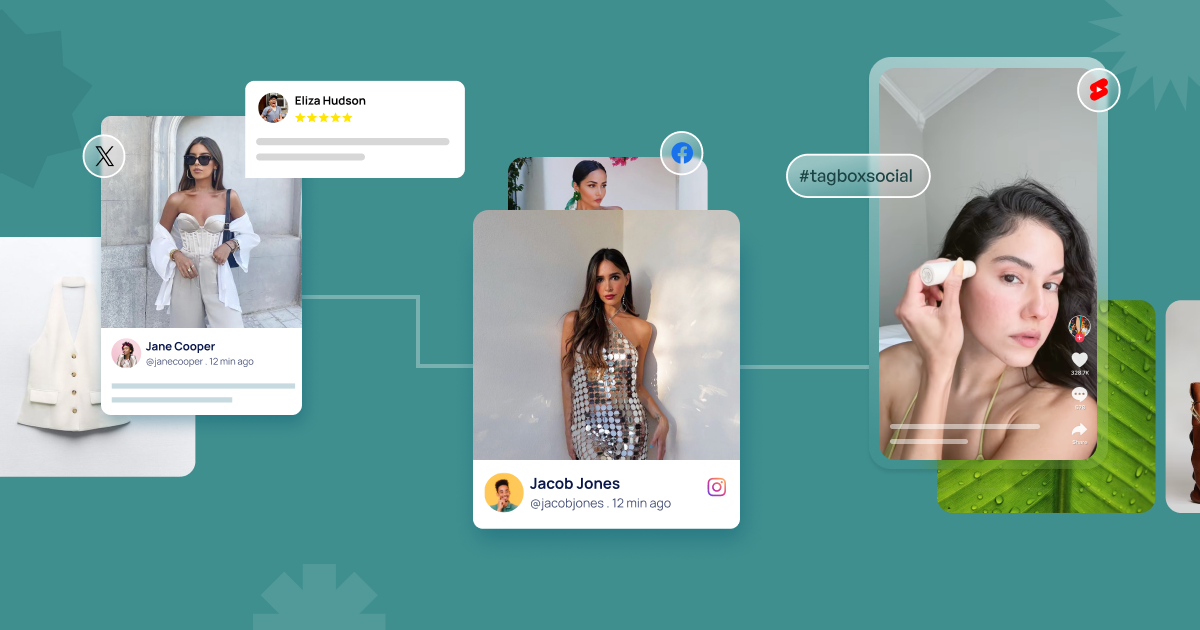
User-Generated Content (UGC) in the hotel industry refers to any content created by guests rather than the hotel brand itself. This includes photos, videos, reviews, testimonials, social media posts, and blog mentions shared by real visitors during or after their stay.
When a guest posts a sunset view from your balcony on Instagram, that’s UGC.
When someone uploads a room tour on TikTok, that’s UGC.
When a family writes a detailed Google review about your hospitality, that’s UGC too.
Unlike professional photography, UGC captures real moments. It shows the hotel experience from a guest’s perspective — the breakfast spread as it actually looks, the pool area during peak hours, the way natural light enters the room.
For potential guests, this kind of content feels honest and relatable. It answers unspoken questions:
Is it really that clean?
Does it look like the pictures?
Is it worth the price?
UGC provides reassurance in a way that traditional advertising simply cannot.
Benefits of UGC for Hotels
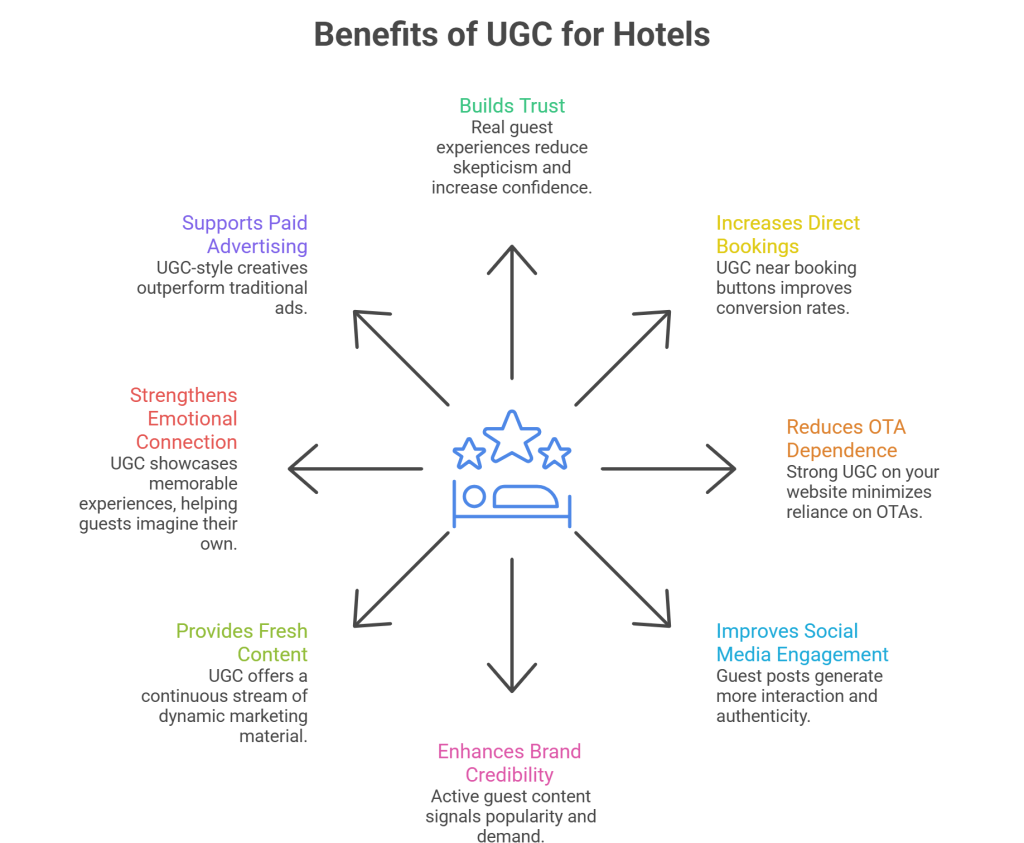
UGC works because it builds credibility. It transforms your marketing from brand-led storytelling to guest-validated proof. Instead of you saying “We’re amazing,” your guests say it for you — and that carries far more weight.
Here are the key benefits of UGC in detail:
1. Builds Trust Instantly
Travel decisions are emotional but backed by research. When visitors see real guest photos and testimonials, it reduces skepticism. They feel safer booking directly through your website.
2. Increases Direct Bookings
UGC placed strategically near booking buttons can reduce hesitation. Real reviews and images act as last-minute reassurance, improving conversion rates.
3. Reduces OTA Dependence
OTAs win because of reviews and social proof. When your own website showcases strong UGC, guests feel confident booking directly — helping you avoid high commission fees.
4. Improves Social Media Engagement
Guest posts generate more interaction than branded posts. Reposting UGC increases authenticity and encourages other guests to share their experiences too.
5. Enhances Brand Credibility
A hotel with active guest content appears popular and in demand. It signals that real people are staying there regularly and enjoying the experience.
6. Provides Fresh Content Continuously
Instead of constantly investing in new photoshoots, UGC gives you a steady stream of real-time content that keeps your marketing dynamic.
7. Strengthens Emotional Connection
Travel is about memories. UGC showcases birthdays, anniversaries, vacations, and special moments — helping future guests imagine their own experiences at your property.
8. Supports Paid Advertising Performance
UGC-style creatives often outperform traditional ads because they feel native and less promotional.
Key Strategies to Leverage UGC for Hotels
Collecting UGC is only half the job. The real impact comes from how you use it. When implemented strategically, UGC becomes a conversion tool rather than just social content.
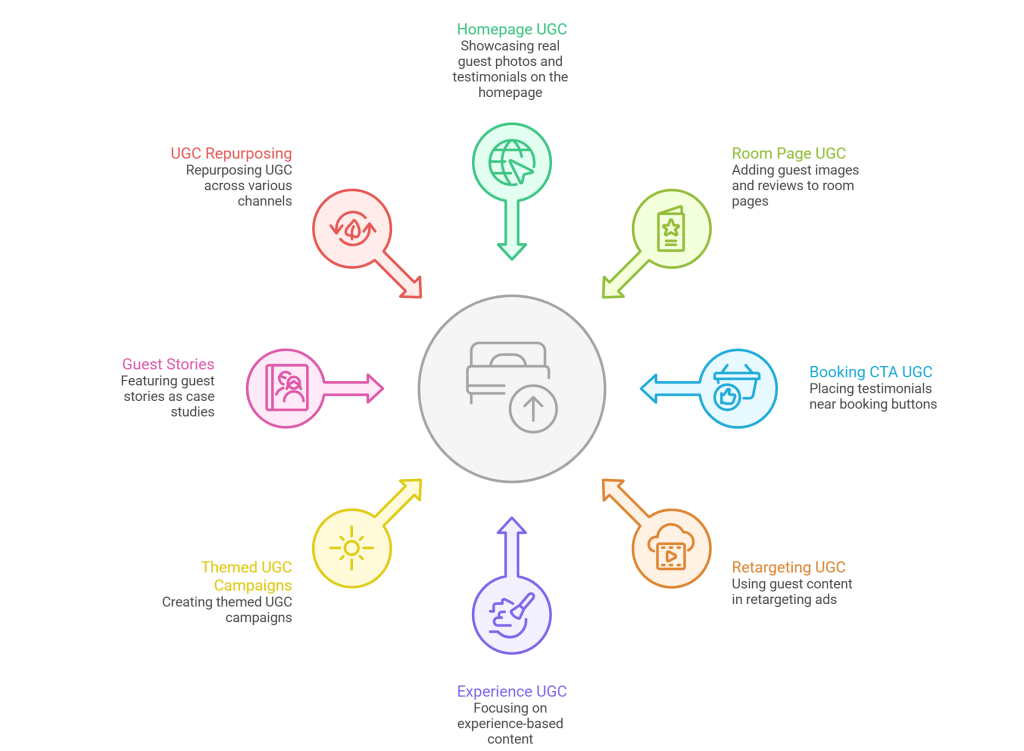
Here are practical strategies hotels can follow:
1. Showcase UGC on Your Homepage
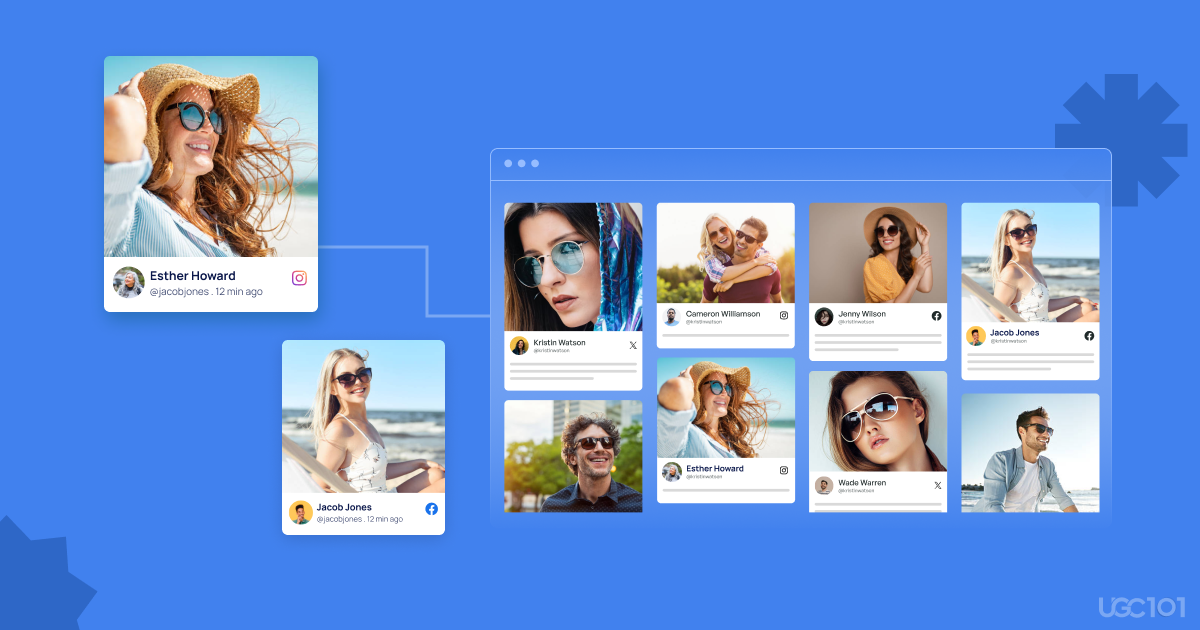
Feature real guest photos and testimonials prominently. A dynamic gallery or live social feed instantly builds credibility for first-time visitors.
2. Add UGC to Room Pages
Place guest images and reviews below room descriptions. This helps guests visualize their stay in that specific room category.
3. Integrate UGC Near Booking CTAs
Position testimonials close to the “Book Now” button. At the decision-making moment, reassurance matters most.
4. Use UGC in Retargeting Campaigns
Create ads using guest videos, review snippets, or candid photos. These feel more authentic and often generate higher click-through rates.
5. Highlight Experience-Based Content
Focus not only on rooms but on experiences — spa treatments, dining moments, rooftop views, and celebrations. Experiences sell more than amenities.
6. Create Themed UGC Campaigns
For example, “Sunset Moments at Our Hotel” or “Guest Celebrations.” Curating themed content makes your feed engaging and structured.
7. Feature Guest Stories
Turn standout guest experiences into mini case studies or social highlights. A couple celebrating their anniversary or a family reunion story adds emotional depth.
8. Repurpose UGC Across Channels
Use guest content in email marketing, website banners, brochures, and even digital screens inside the property. Maximize each piece of content.
How to Encourage Guests to Create UGC
Most guests are already taking photos — they just need a small push to tag you.
Start by making your social handles visible in rooms, at reception, and in welcome emails. A simple reminder increases tagging significantly.
Create visually appealing corners in your property — aesthetic backdrops, rooftop views, cozy café spots. Guests naturally share what looks beautiful.
You can also introduce light incentives such as:
- A complimentary drink for tagged posts
- Monthly feature contests
- Discount codes for repeat stays
Most importantly, engage actively. Repost guest content, thank them publicly, and make them feel valued. Recognition encourages more participation than rewards alone.
Conclusion
In today’s hospitality landscape, trust determines bookings. Travelers no longer rely solely on polished marketing — they rely on real experiences shared by real guests.
UGC helps hotels build that trust organically. It transforms satisfied guests into advocates and turns social proof into a direct booking engine.
When used strategically, user-generated content doesn’t just enhance your marketing — it reduces OTA dependence, strengthens brand credibility, and increases direct revenue.
For hotels that want sustainable growth, UGC isn’t a trend. It’s a competitive advantage.