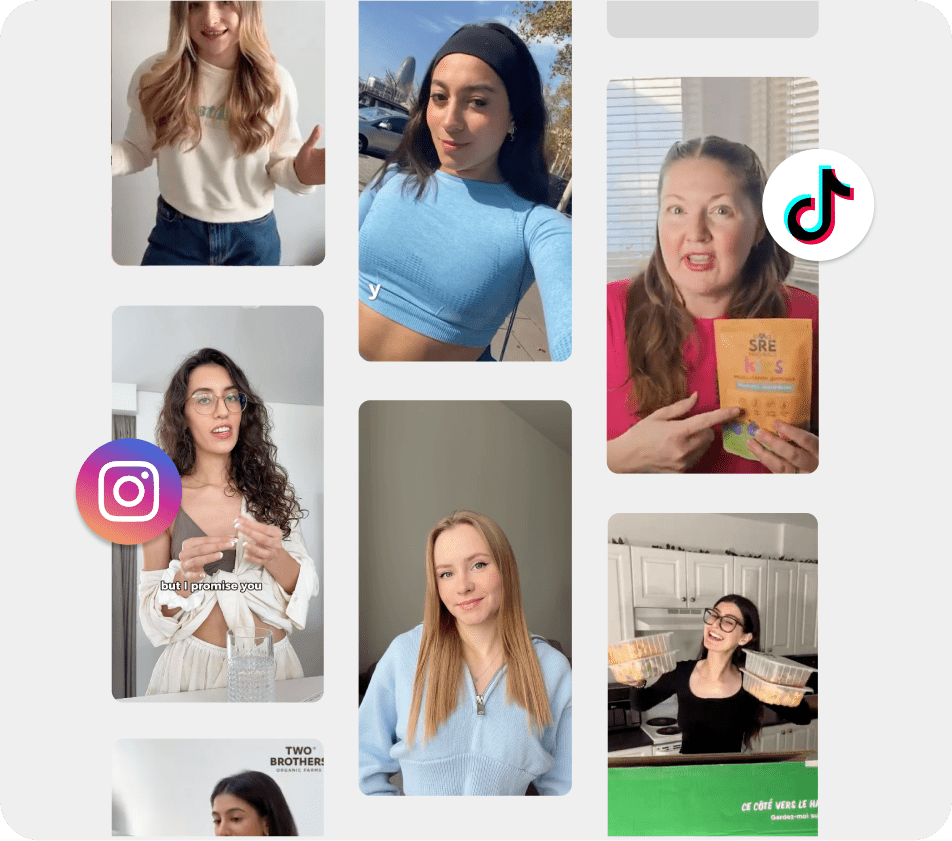

LinkedIn has quickly become one of the most powerful platforms for brands, creators, and professionals to build trust. But in recent years, one content format has taken over LinkedIn more than anything else, UGC (User-Generated Content).
While UGC is widely known for platforms like Instagram, TikTok, and YouTube, its impact on LinkedIn is completely different. Here, UGC isn’t just a trend; it’s a business growth engine. Whether you’re a B2B brand, SaaS company, recruiter, creator, or solopreneur, LinkedIn UGC can boost your credibility, reach, and conversions like nothing else.
In this detailed guide, we’ll explore what LinkedIn UGC is, why it’s essential, how brands can use it, how to collect it, and how you can turn authentic user voices into professional trust signals.
Let’s dive in.
What Is LinkedIn UGC?
LinkedIn UGC (User-Generated Content) refers to any content, posts, videos, photos, testimonials, reviews, employee stories, or case studies, created by users instead of brands.
This content can come from:
- Customers
- Employees
- Creators
- Industry experts
- Partners
- Event attendees
- Community members
LinkedIn UGC is different from Instagram or TikTok UGC because it focuses more on:
- Professional value
- Industry authority
- Business impact
- Thought leadership
- Real-world results
- Work culture and employer branding
It helps brands build trust not through polished marketing but through authentic voices and real experiences.
Why LinkedIn UGC Matters for Brands & Creators
LinkedIn is no longer a platform only for job seekers. Today, it is:
- A top platform for B2B lead generation
- A significant source of brand awareness
- A trusted space for education, insights, and opinions
This is why LinkedIn UGC matters:
✓ 1. UGC Builds Trust Faster
People trust real people more than brand ads. If a customer shares how your product helped them, or an employee shares their growth story, it automatically increases credibility.
✓ 2. UGC Works Brilliantly for B2B
B2B buyers don’t purchase instantly; they look for:
- Social proof
- Reviews
- Thought leadership
- Industry-specific results
LinkedIn UGC provides all of it.
✓ 3. LinkedIn’s Algorithm Favors Meaningful Content
Educational, authentic, personal, and value-driven posts often outperform branded ads on LinkedIn.
✓ 4. UGC Creates Strong Social Proof
Whether you are selling SaaS, courses, services, or physical products, UGC acts as evidence that your brand is real and helpful.
✓ 5. Drives Engagement & Conversions
People engage more with:
- Personal stories
- Behind-the-scenes
- Testimonials
- Employee insights
And engagement leads to visibility → trust → sales.
UGC on LinkedIn comes in many forms. Some might appear subtle, while others are directly related to your brand.
Types of LinkedIn UGC
Here are the most impactful types:
1. Text-Based Posts
Customers sharing:
- Experiences
- Learnings
- Reviews
- Outcomes
- Before/after journeys
These posts often spark conversations.
2. Photo & Video Testimonials
A customer recording a 30–60 second testimonial can outperform a lengthy brand webinar.
3. Employee Generated Content (EGC)
- Their work culture
- Office moments
- Success stories
- Training experiences
- Leadership appreciation
EGC is one of the strongest forms of LinkedIn UGC.
4. Creator-Led UGC
Creators or micro-influencers sharing insights about your brand, your product, or your industry.
5. Reposts, Mentions & Tags
When users mention or tag your brand, that’s also UGC.
6. Event UGC
People posting during:
- Conferences
- Webinars
- Workshops
- Community meetups
Event-based UGC spreads quickly on LinkedIn.
7. Video UGC
Short videos about:
- Product demos
- How-to tutorials
- Opinion UGC videos
- Case study insights
These perform exceptionally well on LinkedIn.
Benefits of Using UGC on LinkedIn
Let’s look at why brands should actively use LinkedIn UGC in their marketing.
1. Higher Reach Due to Algorithm
LinkedIn prioritizes content from:
- People
- Real stories
- Thought leaders
So UGC posts often reach thousands—even with small follower counts.
2. Builds Instant Trust
Real people talking about your brand is much more powerful than your brand talking about itself.
3. Boosts Brand Authority
If professionals and experts regularly talk about your brand, your authority skyrockets.
4. Humanizes Your Brand
LinkedIn UGC adds emotion, personality, and honesty to marketing.
5. More Leads & Website Traffic
UGC can directly influence decision-makers who are researching solutions.
6. Improves Recruitment
Employee stories = authentic employer branding.
7. Better Engagement Than Brand Posts
UGC feels more real, so it gets more likes, comments, and shares.
How to Encourage UGC on LinkedIn
Here’s how you can motivate users, customers, and employees to create UGC for your brand.
1. Ask Customers to Share Their Experience
Simple message: “Would you like to share your experience on LinkedIn? We’d love to feature your post!”
2. Launch Branded Hashtags
Create a hashtag for customers and employees to use.
Example: #MadeWithTaggbox (if needed)
3. Create Prompt-Based Campaign
Share topic prompts like:
- “Share your SaaS journey.”
- “Talk about your biggest learning this quarter.”
Prompts make it easy for people to participate.
4. Incentivize Participation
Offer:
- Recognition
- Features
- Rewards
- Community badges
People love being highlighted.
5. Encourage Employees to Share
EGC works incredibly well.
Train employees to create content about:
- Work culture
- Learnings
- Wins
- Milestones
6. Build a Creator/Advocate Community
Your most loyal users become advocates.
7. Make Sharing Easy
Provide templates:
- Post templates
- Caption ideas
- Hashtag lists
- Story formats
The easier it is, the more UGC you get.
How to Collect & Curate LinkedIn UGC
Brands must collect UGC in an organized way so it can be reused.
1. Manual Collection
You can collect UGC manually by:
- Taking screenshots
- Bookmarking posts
- Tracking mentions
- Saving URLs
- Keeping visual references
This works for small-scale UGC.
2. Social Listening
Monitor:
- Brand mentions
- Hashtags
- Keywords
- Tags
This helps you find untagged UGC, too.
3. Using UGC Collection Tools
Tools like Taggbox allow you to:
- Track all LinkedIn mentions
- Save UGC in one place
- Collect both text and visual content
- Request permissions
- Curate UGC galleries
- Embed UGC on your website
This is the easiest way to scale UGC collection.
4. Get Content Usage Permissions
Always ask for permission before using UGC on:
- Websites
- Ads
- Landing pages
- Print designs
It builds trust and avoids issues.
5. Categorize UGC
Sort LinkedIn UGC into:
- Testimonials
- Reviews
- Industry insights
- Founder shoutouts
- Employee stories
- Product demos
- Interviews
Proper categorization helps reuse content effectively.
How Brands Can Use LinkedIn UGC in Marketing
Once you have collected LinkedIn UGC, here’s how you can use it.
1. Add UGC to Your LinkedIn Company Page
Feature customer posts regularly.
2. Use UGC in LinkedIn Ads
Authentic voices perform better than stock visuals.
3. Turn UGC Into Carousel Posts
Carousel posts = high engagement + storytelling.
4. Repost Customer Testimonials
A simple repost adds credibility.
5. Use UGC in Sales Outreach
Sales teams can use UGC in:
- Cold emails
- LinkedIn messages
- Proposals
Because social proof > promises.
6. Add UGC to Landing Pages
UGC increases conversion rates by reducing buyer skepticism.
7. Use UGC in Webinars & Presentations
Real experiences add authenticity.
8. Use UGC in Blogs & Case Studies
A customer’s words are better than any marketing copy.
LinkedIn UGC for Employer Branding
Employer branding is one of the biggest reasons LinkedIn UGC is booming.
Here’s how brands use UGC to attract talent:
1. Employee Stories
Employees posting about:
- Promotions
- Growth
- Team wins
- Learning experiences
These build trust and attract better candidates.
2. Work Culture Moments
UGC showcasing:
- Team lunches
- Events
- Office life
- Celebrations
- Collaboration moments
This makes your brand look human and warm.
3. HR-Led Content Campaigns
HR teams can launch UGC campaigns that encourage employees to share their experiences.
4. Leadership Appreciation Posts
Employees often post about:
- Mentors
- Managers
- Leaders
These posts reflect a strong work culture.
5. Recruitment-Based UGC
Employees sharing:
- Job openings
- Referral requests
- Department highlights
This expands your hiring reach organically.
Best Practices for High-Quality LinkedIn UGC
Here’s how to ensure that your LinkedIn UGC remains effective, professional, and engaging.
1. Keep It Real
Authenticity wins over perfection.
2. Use Real People & Real Stories
Users trust genuine faces—not models or stock photos.
3. Keep Content Value-Focused
Educational or experience-based UGC performs best.
4. Prioritize Visuals
Photos and videos get more reach on LinkedIn.
5. Avoid Promotional Tone
UGC works when it feels honest, not forced.
6. Maintain Brand Alignment
Ensure UGC reflects your industry voice and values.
7. Share UGC Regularly
Consistency builds recognition and authority through shared ugc.
Tools to Manage LinkedIn UGC (Optional)
You can mention tools like:
- Social listening platforms
- UGC collection tools
- LinkedIn management tools
And if needed:
Taggbox can help brands collect, manage, and showcase LinkedIn UGC across marketing channels.
Case Studies & Examples of LinkedIn UGC
Here are some UGC examples of how brands use LinkedIn UGC:
1. SaaS Companies
They share customer success stories, testimonials, and micro case studies posted by users.
2. Consulting Firms
They showcase employee journeys and client praise.
3. E-commerce & D2C
LinkedIn is used to highlight creator reviews and founder shoutouts.
4. Startups
Founders often share behind-the-scenes stories that build community trust.
5. HR & Recruitment Firms
They use employee stories to attract talent.
Future of UGC on LinkedIn
The role of LinkedIn UGC is only growing. Here’s what the future looks like:
1. More Professional Creators Will Join LinkedIn
LinkedIn creators are already booming and will continue to grow.
2. Rise of Video UGC
Short videos will dominate LinkedIn in the next few years.
3. Employee Advocacy Becomes a Standard
More companies will train employees to be brand ambassadors.
4. AI Will Help Analyze UGC Better
AI-backed insights will help brands understand what type of UGC converts best.
5. Trust-Based Marketing Will Become Essential
Buyers trust people, not ads. UGC will be a core strategy for all brands.
Conclusion
LinkedIn UGC is one of the most powerful forms of content for brands, creators, and professionals. It builds trust, improves reach, strengthens community, and drives business results.
Whether you’re a SaaS brand looking for leads, a startup trying to build awareness, or a company growing employer branding, UGC gives you credibility that no traditional advertising can match.
Start encouraging UGC. Start collecting it. Start using it across your marketing.
LinkedIn rewards authenticity—and UGC is the heartbeat of authentic marketing.